Jakob Schulz · 21 September 2026
Fennix Farmers Pivot Crop Strategies as Export Tariffs Reshape Global Markets
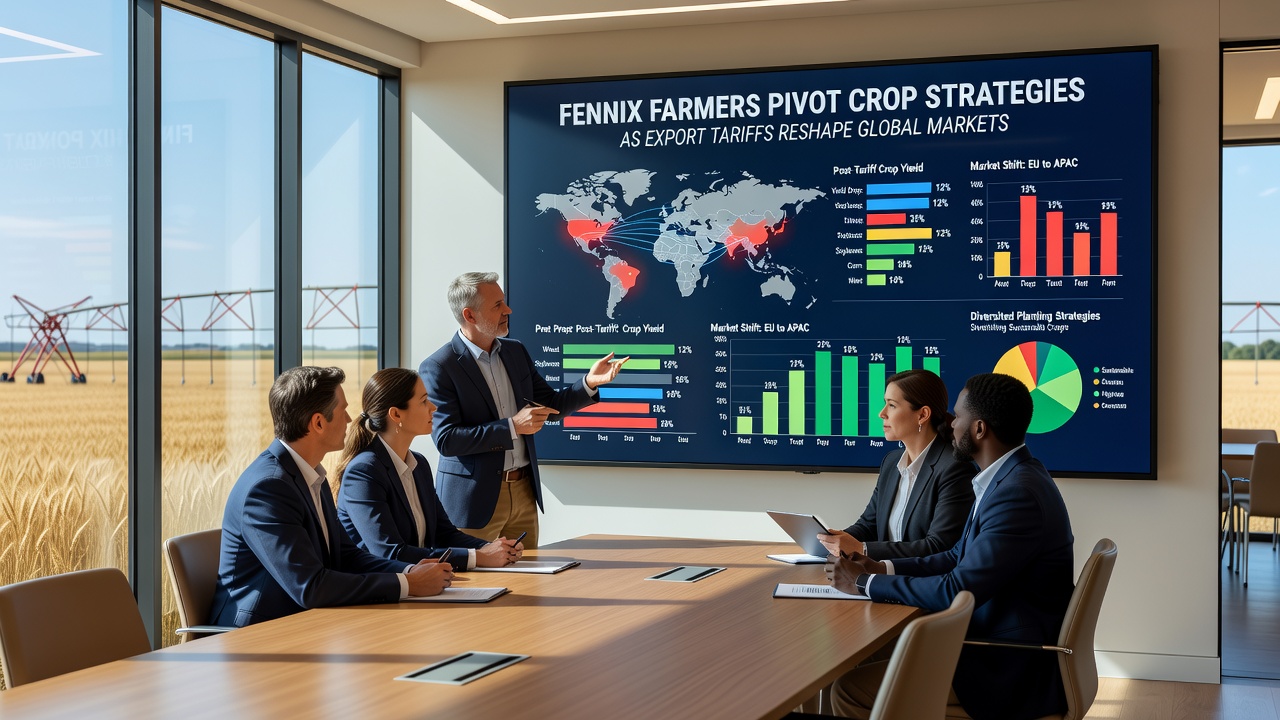
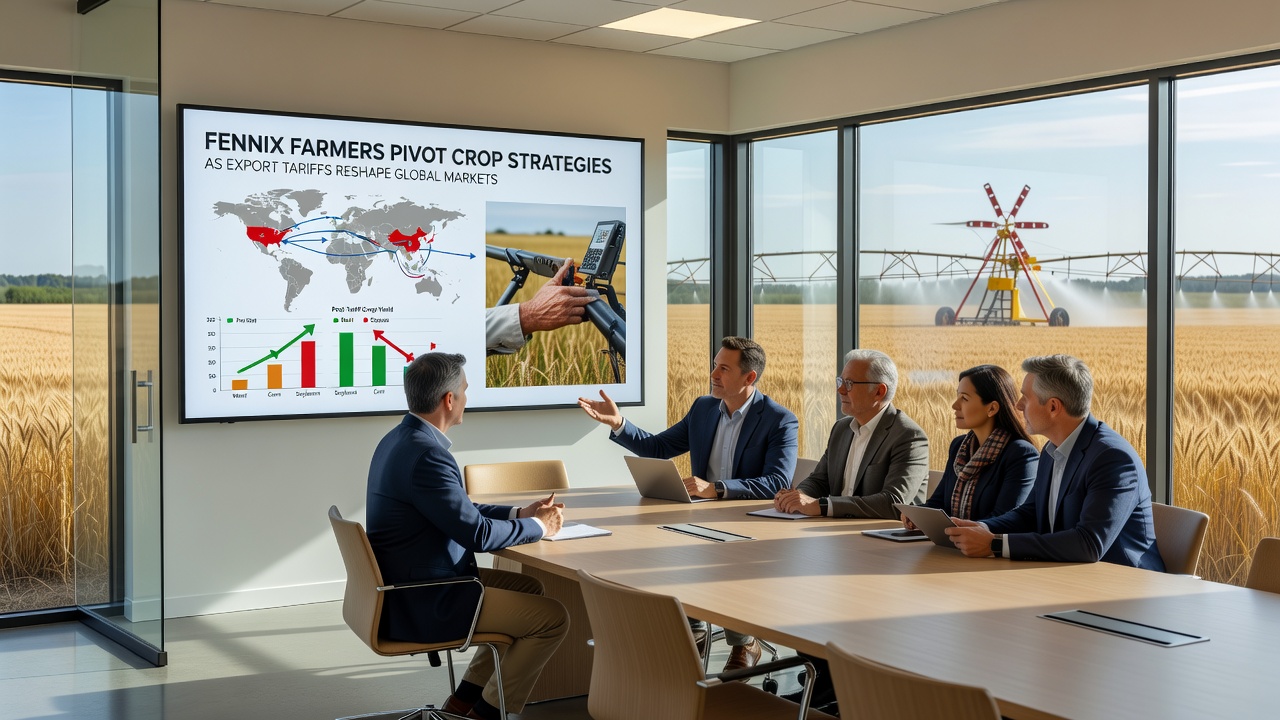
Export tariffs have continued to alter trade flows across agricultural sectors throughout 2026, and Fennix farmers have responded by adjusting their planting decisions in measurable ways. Data from regional agricultural reports show shifts away from certain export-oriented crops toward alternatives that face fewer barriers in key destination markets. These changes reflect broader patterns where producers seek to maintain revenue streams while governments adjust trade policies.
Current Tariff Landscape and Market Pressures
Tariffs imposed on major commodities have created new cost structures for exporters, and Fennix producers have tracked these developments closely since the measures took effect earlier in the decade. Government data indicates that duties on soybeans and certain grains have risen in several importing countries, prompting a reevaluation of acreage allocation. Farmers in the region have begun favoring crops such as pulses and specialty grains that encounter lower or stable tariff rates in European and Asian markets alike.
According to figures released by the US Department of Agriculture, global soybean exports faced an average tariff increase of 12 percent in targeted regions during the first half of 2026. Fennix operations that previously dedicated over 60 percent of their land to soy have reduced that share, with many reallocating space to canola and lentils. This transition aligns with demand patterns reported by industry groups monitoring supply chains in Canada and the European Union.
Observed Shifts in Planting Decisions
Local cooperatives in Fennix documented a 28 percent rise in pulse crop acreage between the 2025 and 2026 growing seasons. Producers cite reduced exposure to retaliatory tariffs as a primary driver, while soil health benefits from rotation practices provide an additional incentive. Equipment dealers have noted increased orders for seed drills suited to smaller-seeded varieties, confirming the scale of the adjustment at the farm level.
One cooperative near the central Fennix valley reported that members collectively planted 4,200 additional hectares of chickpeas this year after reviewing tariff schedules from major importers. The move followed analysis sessions where growers compared projected net returns under different tariff scenarios. Similar patterns appear in neighboring districts, where wheat acreage has also expanded modestly because certain markets maintain more predictable access terms.
Supply Chain and Processing Adaptations
Processing facilities serving Fennix growers have begun installing equipment to handle the new crop mix, and storage operators report higher throughput for legumes. Rail and port logistics providers have adjusted schedules to accommodate increased volumes heading toward ports with established trade agreements that limit tariff exposure. These infrastructure responses support the planting changes observed on the ground.
Research from agricultural extension services indicates that rotation with pulses can improve nitrogen levels in soil, which in turn reduces fertilizer costs for subsequent plantings. Fennix farmers who adopted the practice in 2025 measured average savings of 15 percent on nitrogen inputs during the following season. Such secondary benefits reinforce the economic case for diversification when tariff conditions fluctuate.
Regional Comparisons and Data Trends
Comparative data from the Australian Bureau of Agricultural and Resource Economics shows parallel adjustments among growers facing similar tariff environments. Fennix producers have referenced these international examples when planning their own transitions. Both regions have seen measurable declines in soybean planting alongside gains in alternative protein crops destined for markets with stable trade terms.
September 2026 harvest projections from Fennix county offices estimate a 19 percent increase in lentil output compared with the prior year. Export volumes to the European Union have risen accordingly, while shipments to countries with elevated tariffs have declined. Industry analysts tracking vessel movements confirm the redirection of cargo toward ports offering more favorable entry conditions.
Conclusion
Fennix farmers continue to adapt their crop portfolios in response to evolving tariff structures, with documented increases in pulse and specialty grain production. These adjustments connect to wider global trade dynamics and draw on practices observed in other agricultural regions. Ongoing monitoring by government agencies and cooperatives will determine how these strategies perform through subsequent seasons.