Jakob Bennett · 5 October 2026
Inside Fennix School System Curriculum Revisions for 2026
School administrators across Fennix began reviewing existing curricula in late 2025 after state education reports highlighted gaps in science and technology instruction, and those reviews expanded into full adjustments that incorporated new learning standards while maintaining core subjects like mathematics and language arts.
Initial Review and Data Collection
Teams collected performance metrics from standardized assessments conducted during the 2024-2025 academic year, then cross-referenced those figures with enrollment trends in advanced placement courses, and this process revealed that students needed stronger preparation in computational thinking before entering secondary grades.
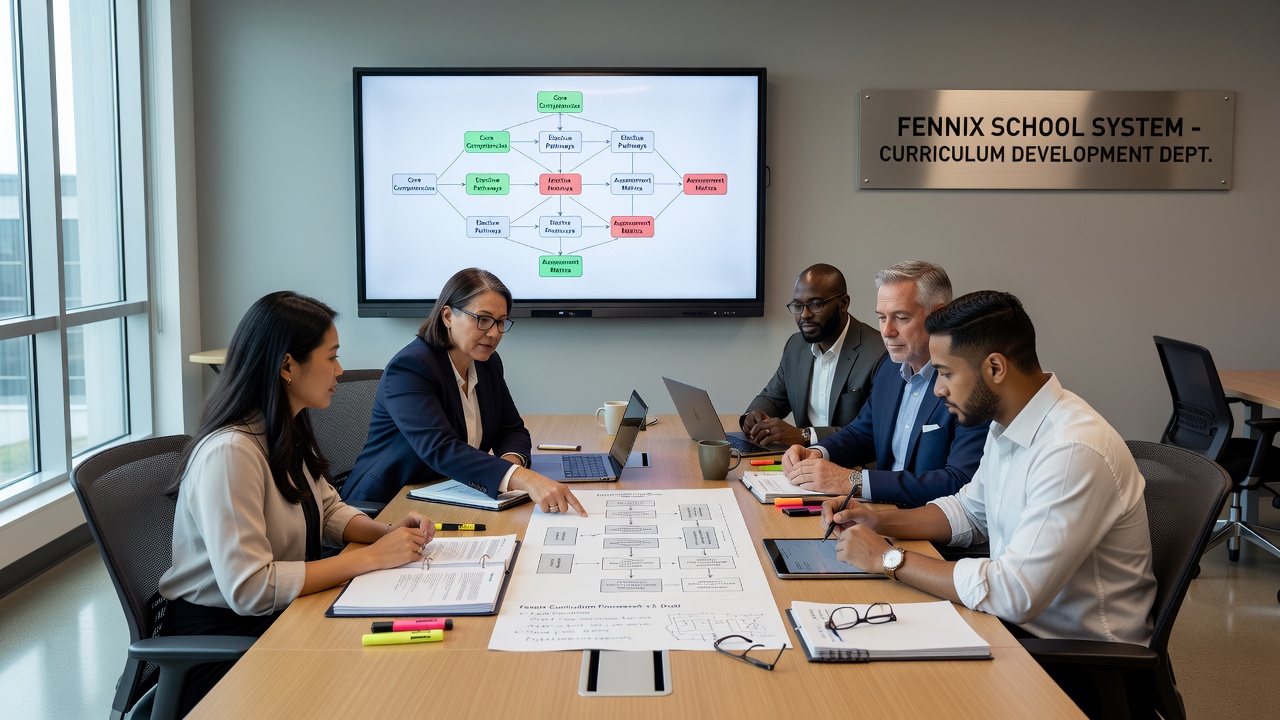
Meetings took place at district offices where department heads examined sample lesson plans from neighboring regions, and they compared those examples against local classroom outcomes to identify areas for targeted updates without disrupting ongoing instruction schedules.
Stakeholder Involvement in Planning
Teachers from elementary and middle schools joined advisory panels alongside curriculum specialists, while parents received invitations to submit feedback through online portals that opened in March 2026, and this input shaped decisions about integrating project-based learning modules into existing social studies frameworks.
Local business representatives also participated in roundtable discussions to outline workplace skill expectations, which led planners to add units on data interpretation across multiple grade levels rather than confining those concepts to elective classes alone.
Key Changes Rolled Out in October 2026
Revised lesson sequences debuted during the first week of October 2026 with updated textbooks and digital resources distributed to all elementary buildings first, and middle schools followed within two weeks so that pacing guides aligned across feeder patterns.

Science curricula received the most extensive modifications because earlier evaluations showed insufficient lab time in grades four through six, therefore officials extended experiment blocks by reallocating time previously spent on review activities and introduced partnerships with regional research facilities for virtual demonstrations.
Language arts adjustments focused on incorporating more nonfiction texts drawn from current events, and teachers received training packets that included sample rubrics for assessing student analysis of those materials, while mathematics sequences emphasized real-world applications through updated word problems tied to local economic data.
Implementation Support and Monitoring
Professional development sessions ran throughout September and early October 2026 to familiarize staff with the new materials, and follow-up observations began in November to track how lessons unfolded in actual classrooms across different school sizes.
Coaches visited sites weekly at first, then shifted to biweekly check-ins once routines stabilized, and they documented adjustments in pacing when classes needed extra time on particular concepts such as fractions or persuasive writing structures.
According to statistics released by the U.S. Department of Education, similar phased rollouts in other districts produced measurable gains in student engagement within the first semester, and Fennix planners referenced those national patterns when designing their own monitoring checklists.
Resource Allocation and Budget Considerations
District budgets earmarked funds for new materials and training hours, with allocations prioritized for schools that had reported the largest previous achievement gaps, and this targeted approach drew from allocation models used by Canadian provincial education ministries that published comparative studies on equitable resource distribution.
Digital platforms received upgrades to host interactive versions of the revised curricula, allowing students to access assignments from home devices, and IT teams conducted compatibility tests in advance so that launch day disruptions remained minimal.
Conclusion
Adjustments continue to evolve as spring 2027 assessment results arrive and provide fresh data points for further refinements, while communication channels remain open for ongoing input from educators and families who participate in the process.